Blog
November 16, 2026
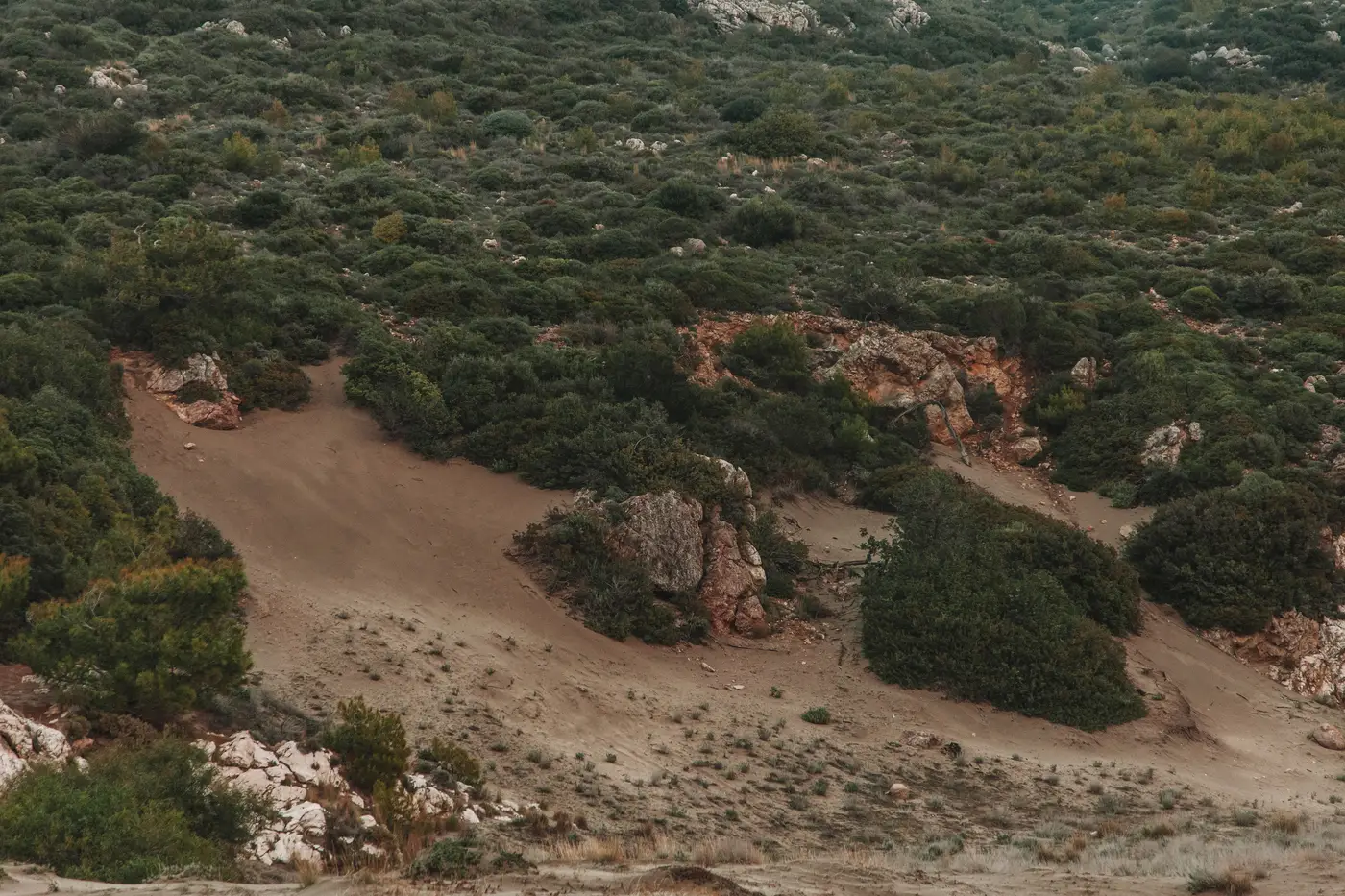 Field notes: the dryness index that beat the burn boss to the call
A fuels planner's notes on the lag between what dryness readings show and when a burn boss signs off, and what closes that gap.
November 16, 2026
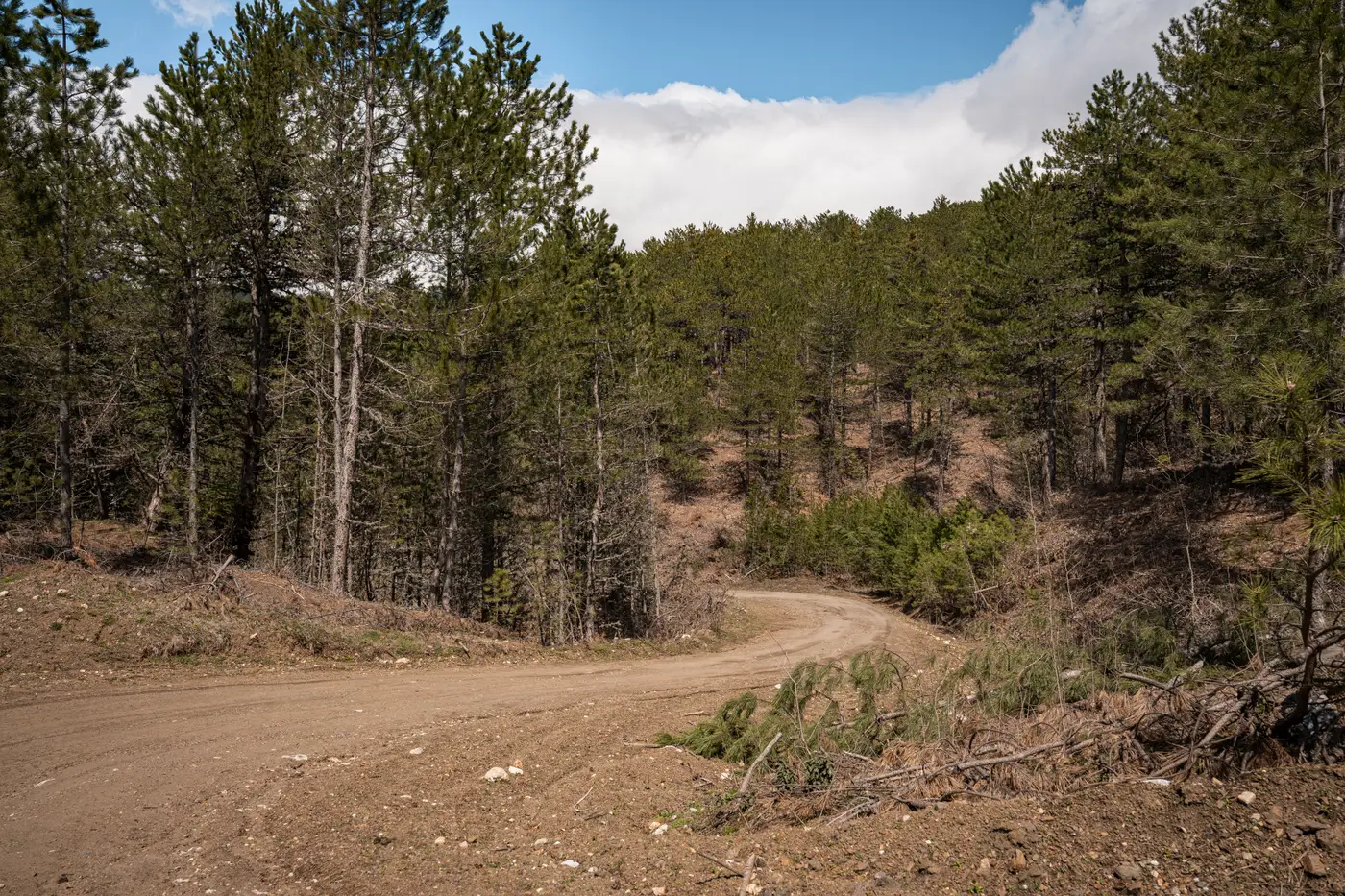 Tracking fuel break treatment effectiveness year over year with canopy fuel maps
How to use annual canopy fuel maps to monitor treatment units, catch mastication regrowth early, and set a retreatment schedule off trend, not a fixed date.
November 9, 2026
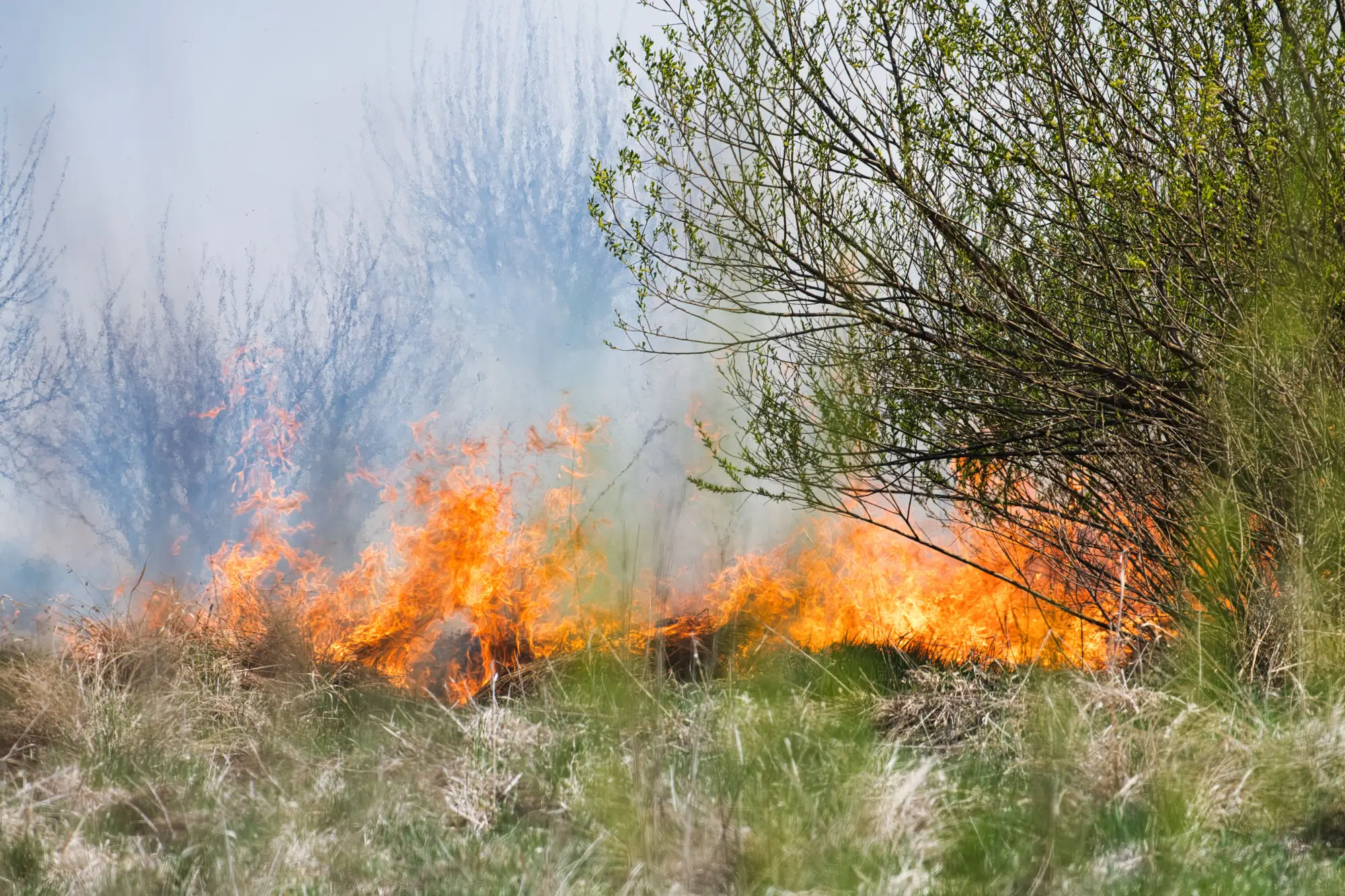 How to sequence prescribed burn units when your window is short
A practical order of operations for sequencing prescribed burn units when the weather window won't hold for your whole burn plan.
November 9, 2026
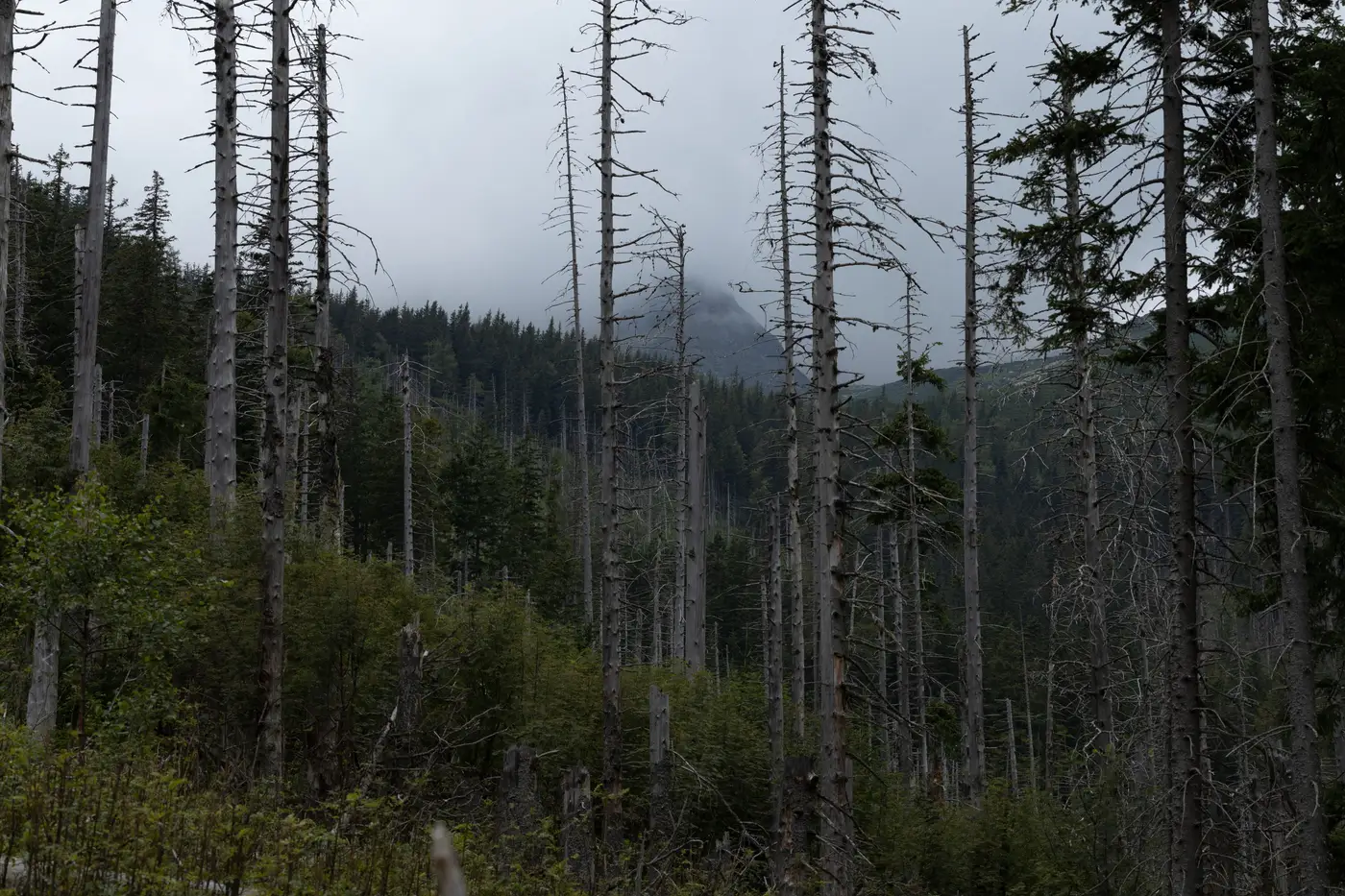 What is fuel model drift, and why an annual canopy remap catches it
Fuel model drift is when a stand's real fuel structure outgrows its assigned fuel model. Here's how an annual canopy remap catches it before burn season.
November 2, 2026
Field notes: the fuel break that never got testedA fuel break built after a bad season, never burned, never proven. What its five untested years say about siting versus maintaining.
November 2, 2026
 Mastication vs. mowing: which fuel break maintenance method actually holds
Mowing costs less per acre, but mastication knocks fuel breaks back further and holds longer between maintenance cycles.
October 26, 2026
 1000-hour vs. 100-hour dead fuel moisture: what each one tells a burn boss
1000-hr and 100-hr dead fuel moisture answer different questions for a burn boss. Here's what each time-lag class tells you about a window.
October 26, 2026
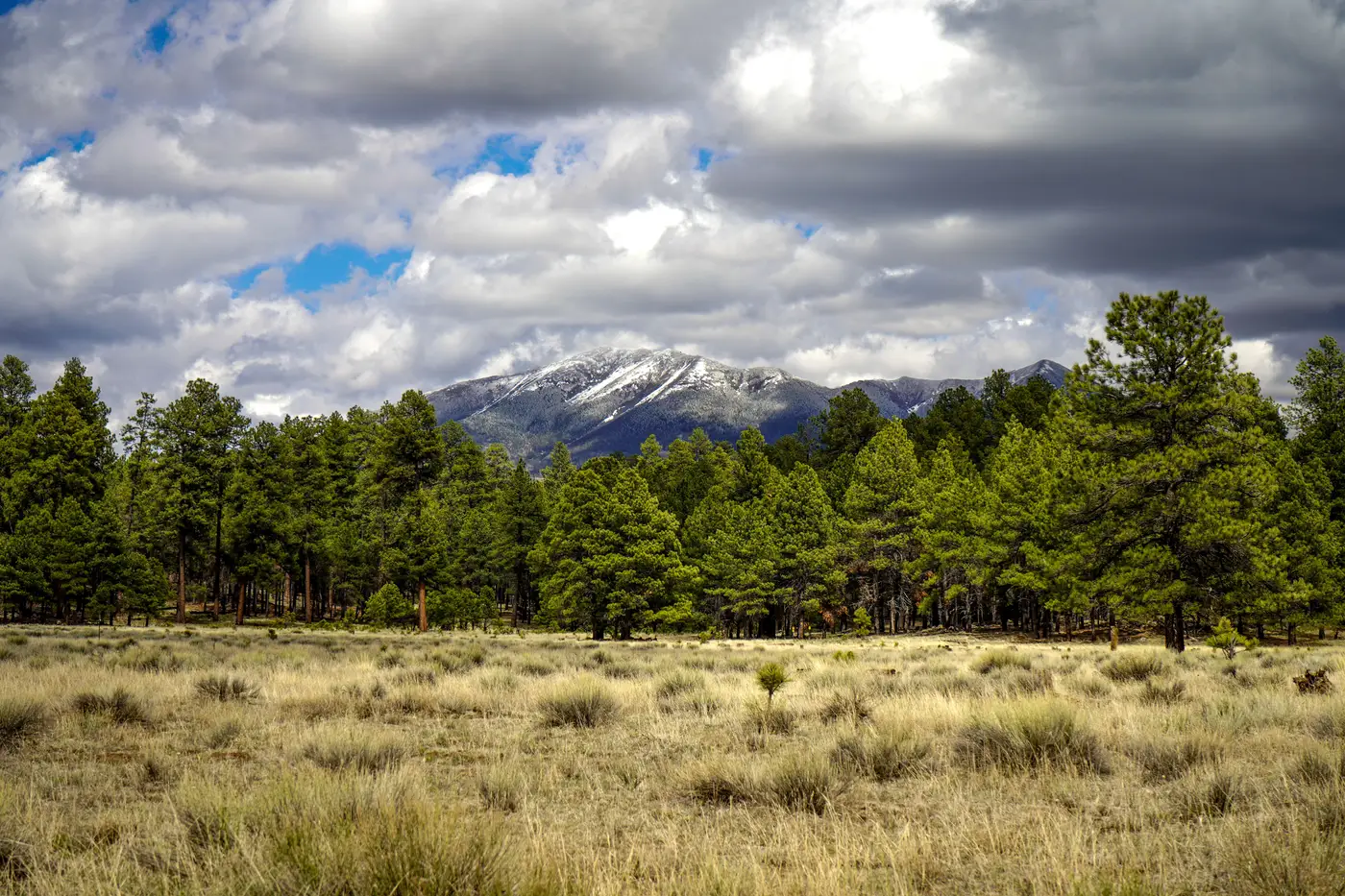 Scott and Burgan 40 vs. Anderson 13: which fuel model set fits your unit
A fuels planner's rundown of Anderson 13 vs. Scott and Burgan 40 for FARSITE inputs, crosswalk gotchas, and when each set earns its keep.
October 19, 2026
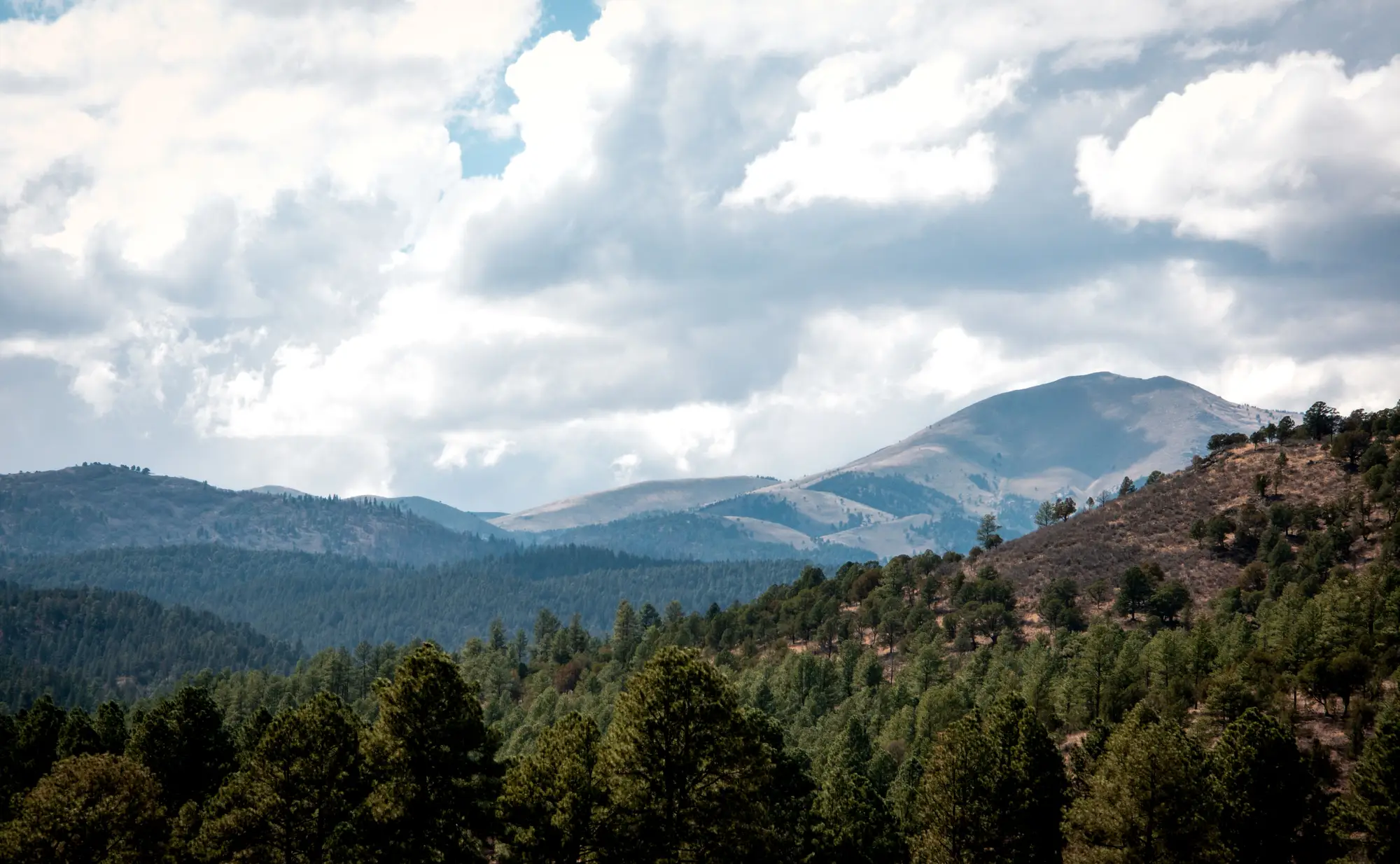 Field notes: the ridge that burned hotter than the fuel map said it would
A fuels planner's field notes on a ridge that ran hot and fast, and what the ten-year-old fuel map missed about the canopy underneath.
October 19, 2026
How to choose fuel break width for a given fuel modelHow to size a fuel break to the fuel model it's protecting, from flame length rules of thumb to why old fuel maps throw the width off.
October 14, 2026
Shaded fuel break vs. green strip: telling them apart in satellite imageryHow shaded fuel breaks and green strips read differently in high-res imagery, and why fuels planners need to tell them apart before siting.
October 14, 2026
What is fuel continuity, and why it matters for fuel break sitingHorizontal and vertical fuel continuity, explained for fuels planners siting breaks and planning burns where field transects alone miss the gaps.
October 13, 2026
Field transects vs satellite fuel load data: what each one tells a burn bossTransects give exact fuel loads at one point. Satellite layers show where conditions shifted across the unit. A burn boss needs both, for different jobs.
October 13, 2026
What is live fuel moisture, and why it moves your burn windowLive fuel moisture drives whether a prescribed burn stays controllable. Here's what it measures, how it shifts through the season, and why windows close fast.
October 7, 2026
Crosswalking satellite canopy classes to Anderson 13 fuel modelsHow fuels planners translate canopy structure and dryness classes from imagery into Anderson 13 fuel models for burn and fuel-break planning.
October 7, 2026
How to prioritize fuel break alignments across a ranger districtA working method for ranking fuel break segments across a district when funding only covers a fraction of the miles you'd like to treat.
October 7, 2026
LANDFIRE refresh cycle vs. annual satellite fuel layersLANDFIRE's disturbance updates run annually, but full fuel model remaps don't. Here's what that gap means for fuel break siting and burn planning.
October 7, 2026
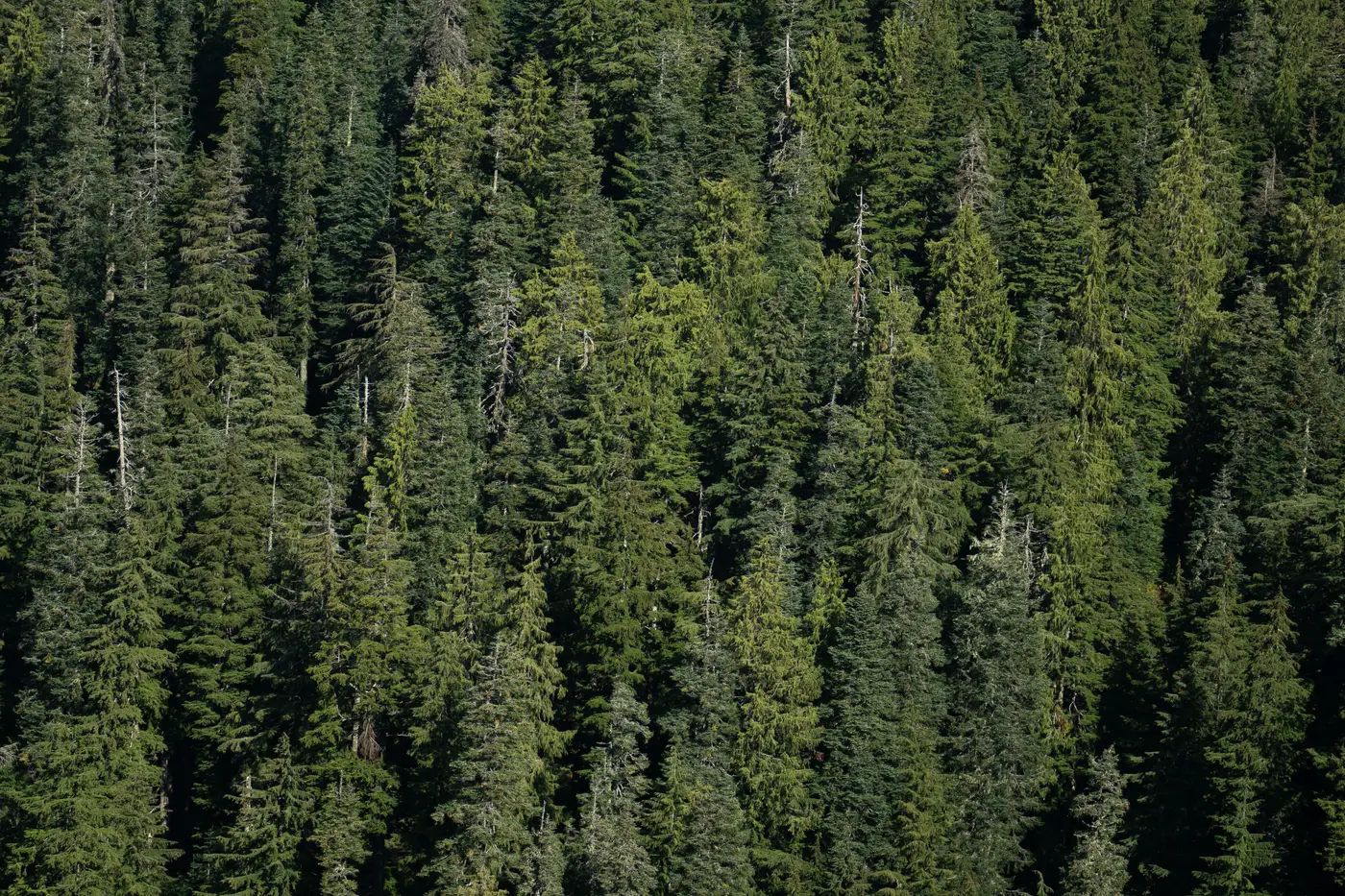 Canopy bulk density: what it is and why crews watch it for crown fire
Canopy bulk density explained: what it measures, why it drives crown fire potential, and how fuels planners track it across a unit.