November 9, 2026
How to sequence prescribed burn units when your window is short
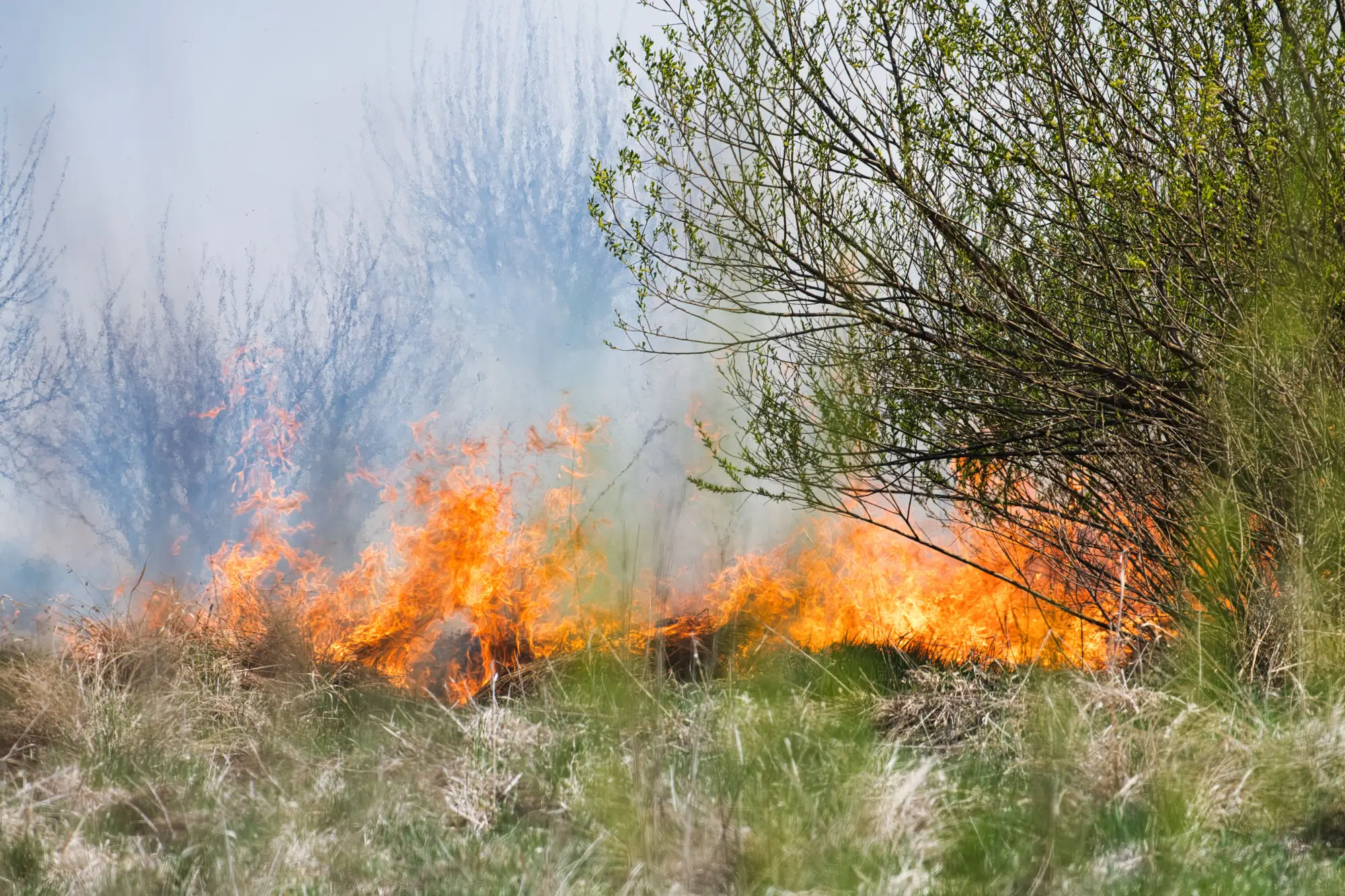
Every fuels planner knows the feeling. The forecast opens a three-day window, the RX plan covers six units, and by day two the humidity's climbing back out of prescription. You're picking an order, and that order decides which units carry risk into next season.
Sequencing is about which unit needs to go first. The units you skip are the ones most likely to carry a crown fire into the wildland-urban interface before you get another shot at them.
Rank by consequence, not by convenience
The easiest mistake is burning the units closest to the staging area first because logistics are simple, then running out of window before you reach the unit that matters most. Start instead by ranking units on what happens if this one doesn't burn this season.
A few things that should move a unit up the list:
- Time since last treatment. A unit three or four years past its return interval has more surface and ladder fuel than the burn plan assumed when it was written.
- Proximity to structures or a known ignition corridor. A unit buffering a subdivision or a transmission right-of-way earns priority over a backcountry unit with no exposure behind it.
- Fuel model drift. If a unit has shifted from a grass-dominated model toward brush and regen since the last field check, it's carrying more load than the plan reflects, and it's the one most likely to behave differently than expected if conditions tighten.
That last point is where a lot of RX plans go stale. Field transects get walked every few years if you're lucky, and a unit that looked like a light fuel model at last inspection can have five seasons of shrub recruitment nobody's recorded. Sequencing off an outdated fuel map means you might be treating your highest-risk unit last, or worse, skipping it because the paperwork says it's low priority.
Match the unit to the weather, not the other way around
Once you've ranked units by consequence, cross-reference against what the window gives you. A south-facing unit with heavy fine fuel wants low humidity recovery overnight and won't hold prescription past midday on a warm front. A north-facing unit with heavier canopy and more residual moisture can often go later in the window when humidity's climbing, because it was never going to carry as hot regardless.
This is the piece crews learn the hard way: burning units in the order they were mapped, rather than the order the weather supports, wastes window days. If day one gives you a tight humidity recovery and strong overnight winds, that's your day for the open, grass-and-light-brush units. Save the denser, slower-drying units for the back half of the window when conditions settle.
Smoke management constraints factor in here too. A unit near a sensitive receptor needs a dispersion day, which may not line up with your highest-priority fuel unit. When that happens, you're choosing between burning a lower-priority unit on a good smoke day or holding a high-priority unit for a worse smoke day and dealing with the complaint calls. There's no clean answer, but knowing the fuel load on both units ahead of time tells you which tradeoff costs less.
Build the sequence before the window opens
The units that get skipped every year are usually the ones nobody re-ranked since the burn plan was written three seasons ago. A current fuel-load read across the whole planning area, not just the units you remember as problems, changes which unit tops the list before the forecast even opens. Fuel Load Mapping's annual classification is built for exactly that gap between an outdated field survey and the burn-season decision you're actually making, sorting canopy structure and dryness into standard fuel model classes across the unit so the ranking reflects this year's brush, not whichever year a crew last walked the line.
If burn windows keep closing on you before the highest-risk units get touched, it might be worth seeing what your planning area looks like on a fresh fuel-load layer before next season's forecast opens.